
Video Tutorials
Below, you’ll find easy-to-follow video guides designed to support our citizen scientists and community members in effectively monitoring vectors:
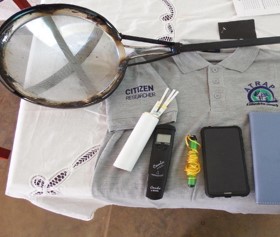
How to sample schistosome snail hosts.
In this video, we walk you through the process of snail sampling, a crucial step in identifying and controlling the spread of schistosomiasis (also known as bilharzia). Watch as we demonstrate the techniques and tools used to identify and sample snails, the intermediate hosts of the parasitic worms responsible for schistosomiasis.
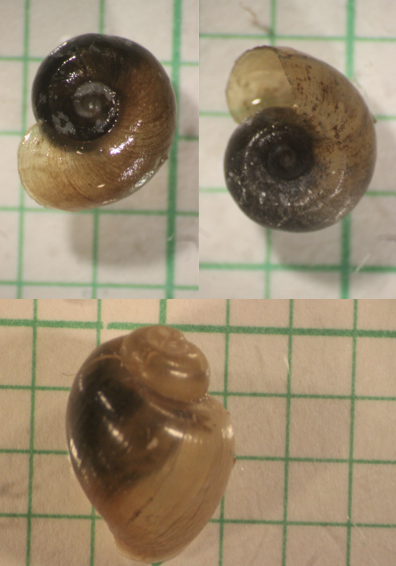
How to identify different snail species that transmit bilharzia and liver fluke: Tips for beginners.
In this video, we guide you through the identification of freshwater snails that serve as intermediate hosts for two major parasitic diseases: schistosomiasis and fascioliasis. Using real-life examples from the field, we highlight key morphological features of snails such as Biomphalaria, Bulinus, and Radix species.
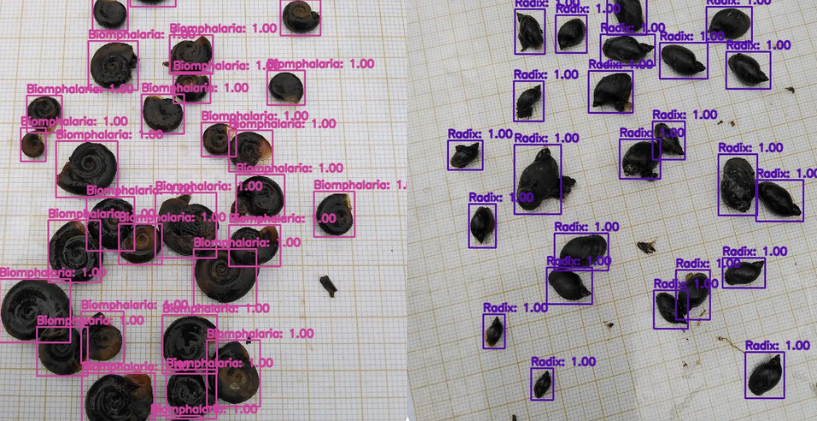
How to identify different snail species that transmit bilharzia and liver fluke using a phone.
Learn how to quickly and accurately identify freshwater snails that transmit schistosomiasis (bilharzia) and liver fluke diseases using your smartphone. This step-by-step guide introduces digital tools that help researchers, students, and field workers classify and count these snail species with ease in the field.
Follow this link to start identifying your snails.
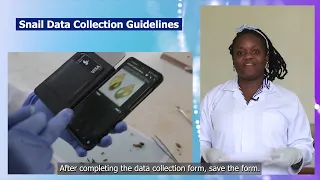
Learn how to share snail data using the KoBoToolbox | Easy guide for citizen scientists.
Want to help fight snail-borne diseases like schistosomiasis and liver fluke? This video walks you through the full process of sharing snail data using the KoBoToolbox - a free, easy-to-use mobile app for collecting and submitting field data. Discover how it works, from opening a form to uploading your snail observations. Be part of the solution - watch, learn, and start sharing snail data today!