Our approach
Citizen Science: Community-centred, scientifically driven
.png)
How does it work?
%20(1).jpg)
Community entry
Before project implementation, a comprehensive community entry process is conducted. This involves engaging local leaders at different administrative levels, including community members and representatives from key sectors such as the health department, religious and cultural institutions. The goal is to ensure that the community is fully informed about the project’s objectives and that their concerns, knowledge, and experiences are taken into consideration from the outset. This step lays the foundation for genuine partnership and buy-in of the initiative. Key activities in this phase include:
1. Stakeholder meetings and introductory workshops.
2. Mapping local needs and priorities.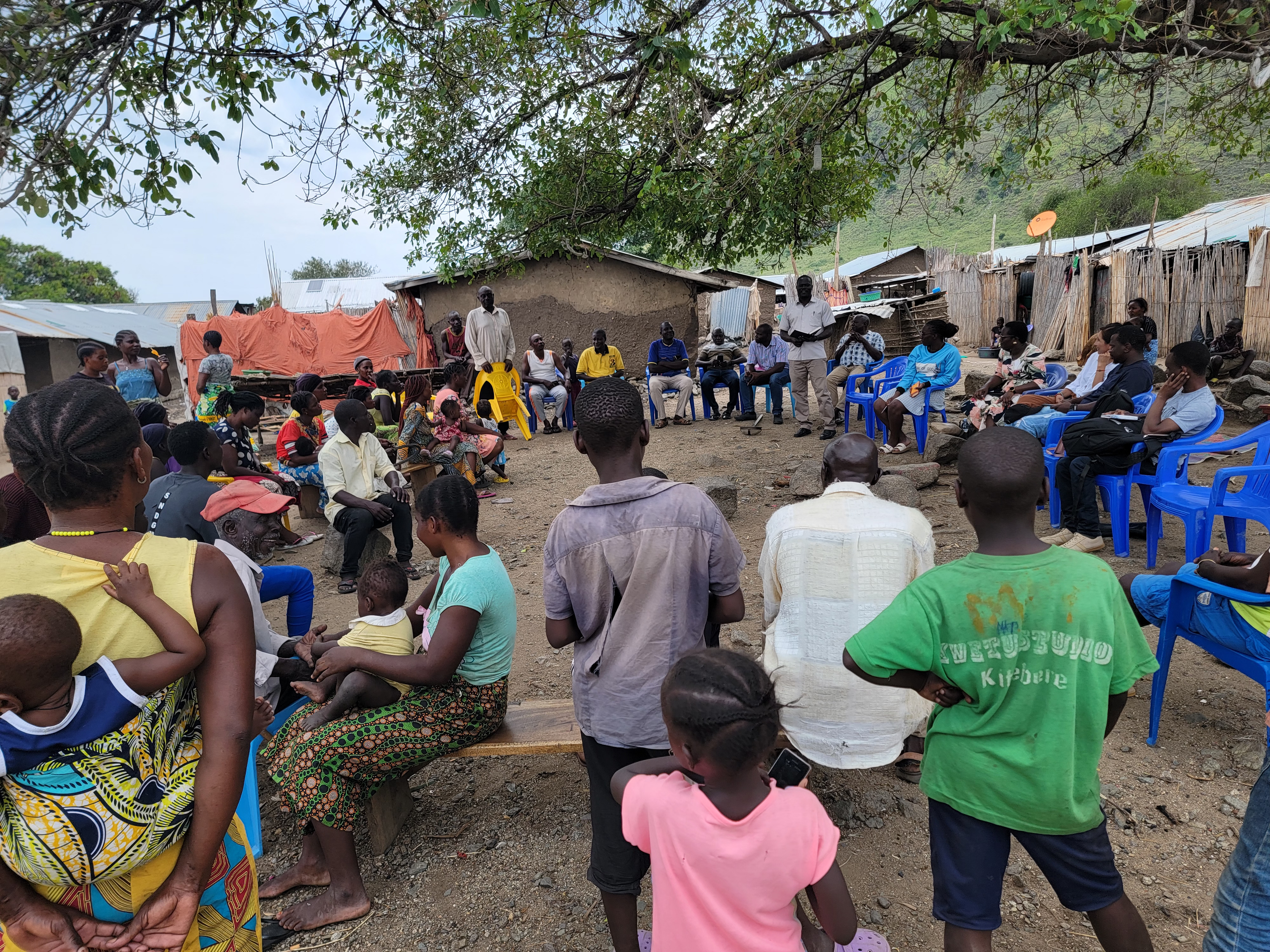
Participant recruitment
Following the community entry phase, ATRAP established a network of 25 community members in each country, referred to as citizen scientists (CSs). To guide this process, the project team developed a set of selection criteria together with village and district leaders. These included a minimum age of 18, possession of a national ID, basic literacy skills, prior volunteer experience, and gender balance, to ensure effectiveness and inclusivity. Local leaders subsequently applied these criteria to nominate suitable candidates from within their communities, who were then vetted by the research team to confirm their readiness to participate in the project. This joint recruitment process ensures that participants are not only capable but also trusted and respected within their communities. Activities at this stage include:
1. Co-development of selection criteria with village and district leaders
2. Identification and nomination of potential citizen scientists by local leaders
3. Vetting of nominated candidates by the research team
Training and support
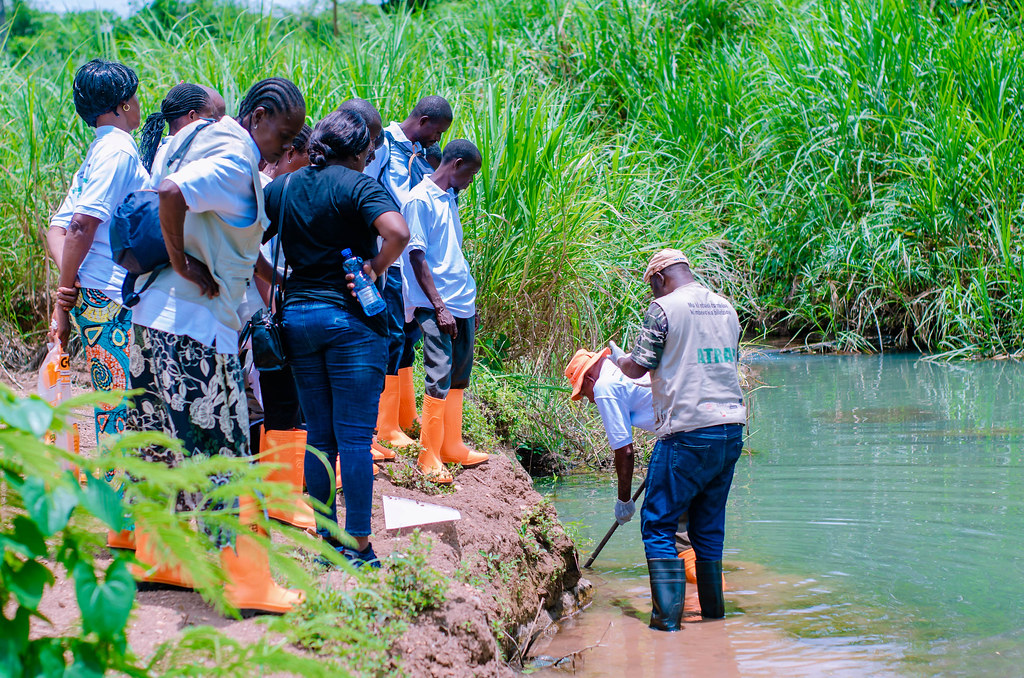
After recruitment, citizen scientists participate in mandatory training sessions to develop their technical knowledge and practical skills. The training covers key topics such as identifying disease vectors like freshwater snails, understanding disease transmission pathways, using mobile phones for data collection, and conducting field trials. To support their fieldwork, each participant receives essential equipment, including a smartphone, scoop nets, and protective gear.
In addition to scientific skills, the citizen scientists are equipped to become community educators, raising awareness and sharing prevention strategies through local events and informal networks.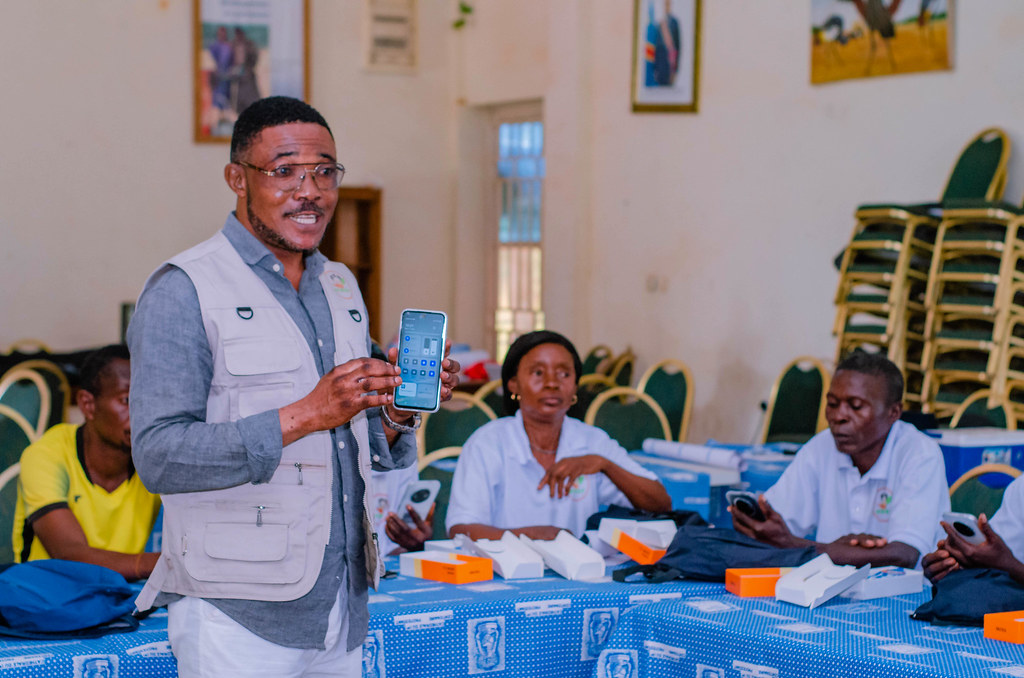
Feedback and adaptation
Continuous feedback is a core part of the project, ensuring improved data quality. Regular feedback loops between citizen scientists and researchers help identify what is working well and where adjustments are needed. This process not only allows for the refinement of tools and knowledge, but also helps minimise errors in the data collected and submitted by citizen scientists. By jointly reviewing data quality and field experiences, the project strengthens data accuracy and local capacity.Feedback is maintained through:
1. Annual refresher trainings and reflection sessions.
2. Informal check-ins via a dedicated WhatsApp group.