PhD and MSc students
Current students

Ms. Noelia Valderrama-Bhraunxs
Noelia Valderrama-Bhraunxs is an aquatic biologist with a master’s degree in Marine and Lacustrine Science and Management, jointly offered by Ghent University, Antwerp University and Vrije Universiteit Brussel in Belgium. Currently, she is an FWO PhD fellow, focusing on the spatial and temporal distribution of snail hosts of parasitic diseases in Uganda, DRC, and Chad.
Topic: The spatial and temporal distribution of snail hosts of parasitic diseases in Uganda, DRC, and Chad to control and prevent poverty-related diseases like schistosomiasis and fasciolosis using citizen science data.
Institution: KU Leuven and the Royal Museum for Central Africa
Start: 2021 | Expected Graduation: 2026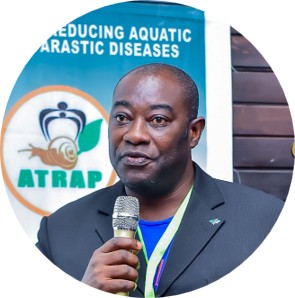
Mr. Germain Kapour
Germain Kapour is a medical doctor with a master's degree in Ecosystems, Contaminants and Health from the University of Franche-Comté in France, followed by another master's degree in Ecology of Infectious Diseases, Risk Management and Natural Hazards from the University of Kinshasa in DR Congo. He received a grant from the ATRAP project of the Royal Museum for Central Africa.
Topic: The genetic diversity of schistosomiasis host snails and their implications for vector control in DR Congo.
Institution: Université de Kinshasa
Start: 2019 | Expected Graduation: 2026
Ms. Wangari Cecilia Wambui
Wangari Cecilia Wambui earned her Master’s in Sustainable Development at KU Leuven, supported by a VLIR-UOS scholarship. Her thesis focused on female genital schistosomiasis in DR Congo. She later joined the Africa Museum in Belgium as a researcher in the Biology department before starting her PhD at KU Leuven in 2023.
Topic: Developing point-of-care molecular tools for environmental monitoring of Schistosoma, mosquito vectors and Plasmodium
Institution: KU Leuven & Africa Musuem collaborating with the Belgian Military Biology Laboratories (DLD)
Start: 2023 | Expected Graduation: 2027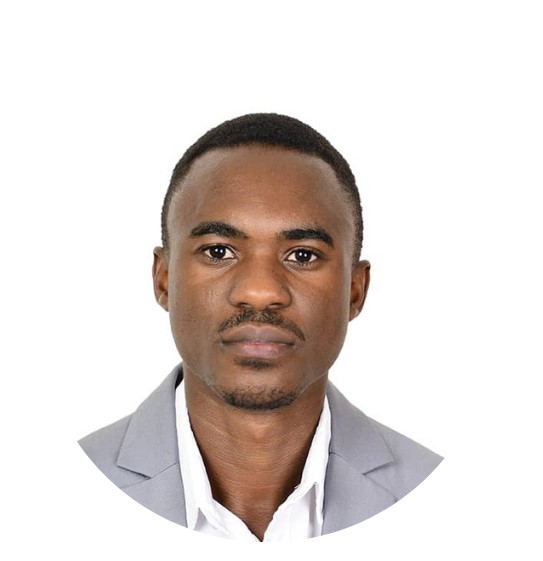
Mr. Francis Ssenkuba
Francis Ssenkuba is a malacologist with a master’s degree in Natural Resources Management, Ecology and Conservation from Mbarara University of Science and Technology, Uganda (MUST). Currently, he is a PhD student funded by ATRAP at MUST.
Topic: Point-of-care monitoring of schistosomiasis parasites in Lake Albert, southwestern Uganda: Optimising the environmental DNA lamp assay
Institution: Mbarara University of Science and Technology
Start: 2024 | Expected Graduation: 2029
.png)
Mr. Okello Felix
Okello Felix is a PhD candidate in Development Studies at the Faculty of Interdisciplinary Studies at MUST. His academic and professional focus lies in community-led development, with particular emphasis on the co-design of sustainable, locally relevant water, sanitation, and hygiene (WASH) for the prevention and control of neglected tropical diseases.
Topic: Anthropological Perspectives on Community-Led Water, Sanitation, and Hygiene Interventions to Control and Prevent Schistosomiasis in Kagadi District, Western Uganda
Institution: Mbarara University of Science and Technology
Start: 2024 | Expected Graduation: 2029.png)
Mr. Fred Besigye
Fred Besigye was a Research Officer with the Vector Control Division, Ministry of Health, Uganda. With over 12 years of experience, Fred has built his expertise around the epidemiology and vector biology of schistosomiasis. He is currently pursuing a PhD focused on developing a plant-based molluscicide to control the intermediate snail hosts of schistosomiasis.
Topic: Optimising the use of Phytolacca dodecandra for Sustainable Schistosomiasis Vector Control in Uganda
Institution: Mbarara University of Science and Technology
Start: 2024 | Expected Graduation: 2029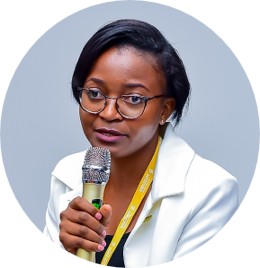
Ms. Chantal Mokoko
Chantal Mokoko obtained her master's at the Catholic University of Congo (UCC). Her thesis explored participatory communication strategies in the fight against schistosomiasis, with a particular emphasis on the citizen science approach in the Kimpese health zone in DRC. She is currently continuing her studies as a pre-doctoral student in the second phase of the ATRAP project.
Topic: Health communication for schistosomiasis and malaria control in co-endemic areas in the Democratic Republic of Congo: towards an integrated and participatory approach for community behavior change
Awarding institution: Université de Kinshasa
Start: 2025 | Expected Graduation: 2029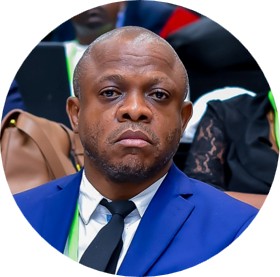
Mr. Papy Ansobi
Papy Ansobi is a PhD student in Eco-Epidemiology affiliated with the Université de Kinshasa (UNIKIN), where he conducts research at the intersection of ecology and infectious disease dynamics. He is also professionally linked with the Ministry of Health of the DRC, contributing to evidence-based health initiatives.
Topic: Genetic diversity of Schistosoma intermediate hosts in rural Kimpese and evaluation of citizen science–based methods and eDNA monitoring as adaptive monitoring approaches.
Awarding institution: Université de Kinshasa
Start: 2025 | Expected Graduation: 2029
.png)
Mr. Benjamin André
Benjamin André is a PhD student in Eco-Epidemiology affiliated with the University of Antwerp (UAntwerp), where he conducts research on the xenomonitoring of malaria in mosquitoes and disease ecology modelling.
Topic: How seasonal and spatial heterogeneity influence malaria vector distribution, infection, and transmission risk in rural Kimpese, Democratic Republic of the Congo?
Institution: UAntwerp and the Royal Museum for Central Africa.
Start: 2025 | Expected Graduation: 2029.png)
Mr. Godfrey Magyezi Begumisa
Godfrey Magyezi Begumisa is a cell and molecular biologist and a PhD fellow under the ATRAP–TSARA international collaboration, as well as a faculty member at Mbarara University of Science and Technology, Uganda. His research focuses on improving access to safe water to reduce water-related neglected tropical diseases, particularly schistosomiasis, through sustainable water treatment approaches.
Topic: Remediation of schistosome cercariae and faecal bacteria from contaminated water sources using constructed wetlands and electrochlorination
Institution: Mbarara University of Science and Technology
Start: 2024 | Expected Graduation: 2027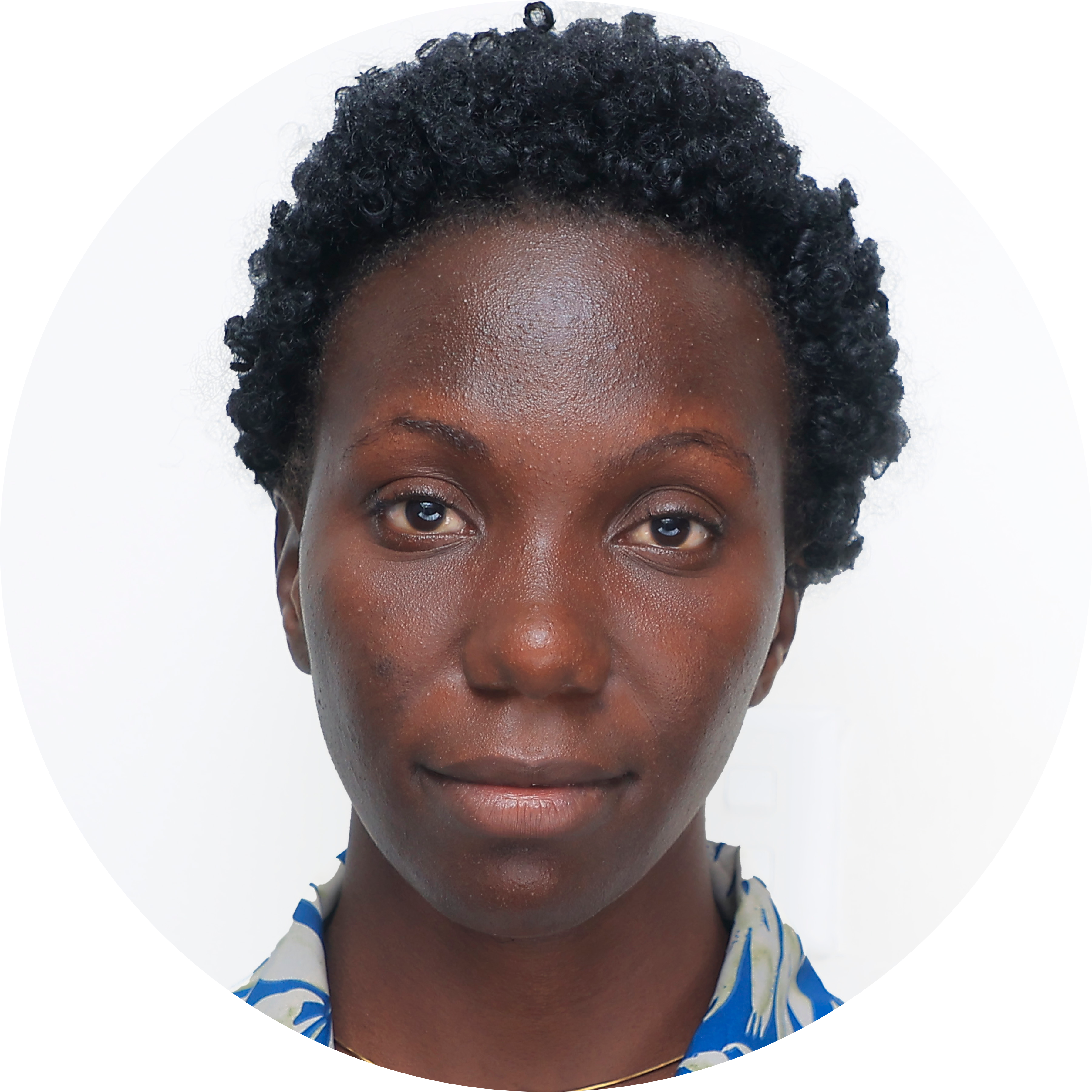
Ms. Sarah Nahaboona
Sarah Nahaboona is pursuing a Master of Science in Biology, with a specialization in Natural Resources Management and Conservation, funded by the ATRAP project. Her research investigates how effective the removal of freshwater snails and surrounding aquatic vegetation is in reducing the transmission of schistosomiasis at common water access points in Kagadi District.
Topic: Efficiency of snail-host and vegetation removal in schistosomiasis control at selected sites in kagadi district, western uganda
Institution: Mbarara University of Science and Technology
Start: 2024 | Expected Graduation: 2026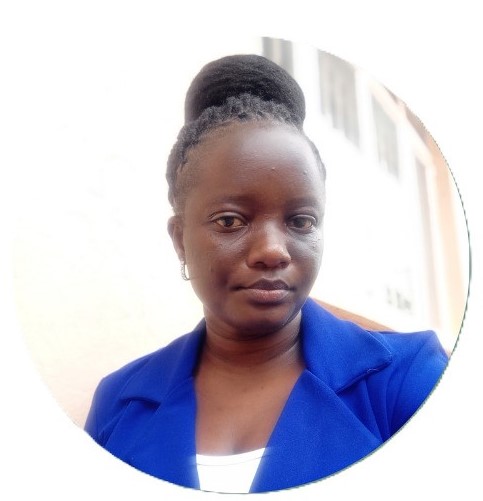
Ms. Sandra Kabarissa
Sandra Kabarissa is a social scientist with a Bachelor's Degree in planning and community Development. She is currently pursuing a master's in Development Studies at Mbarara University of Science and Technology (MUST) with funds from the ATRAP project. Her research aims to identify gaps and opportunities for improving community engagement and participation in Water, Sanitation, and Hygiene (WASH) programs to effectively control and prevent schistosomiasis in kagadi district.
Topic: Community perceptions and attitudes towards the uptake of locally applied water, sanitation and hygiene (wash) interventions in the control of schistosomiasis . a case study of kagadi district western uganda
Institution: Mbarara University of Science and Technology
Start: 2024 | Expected Graduation: 2026
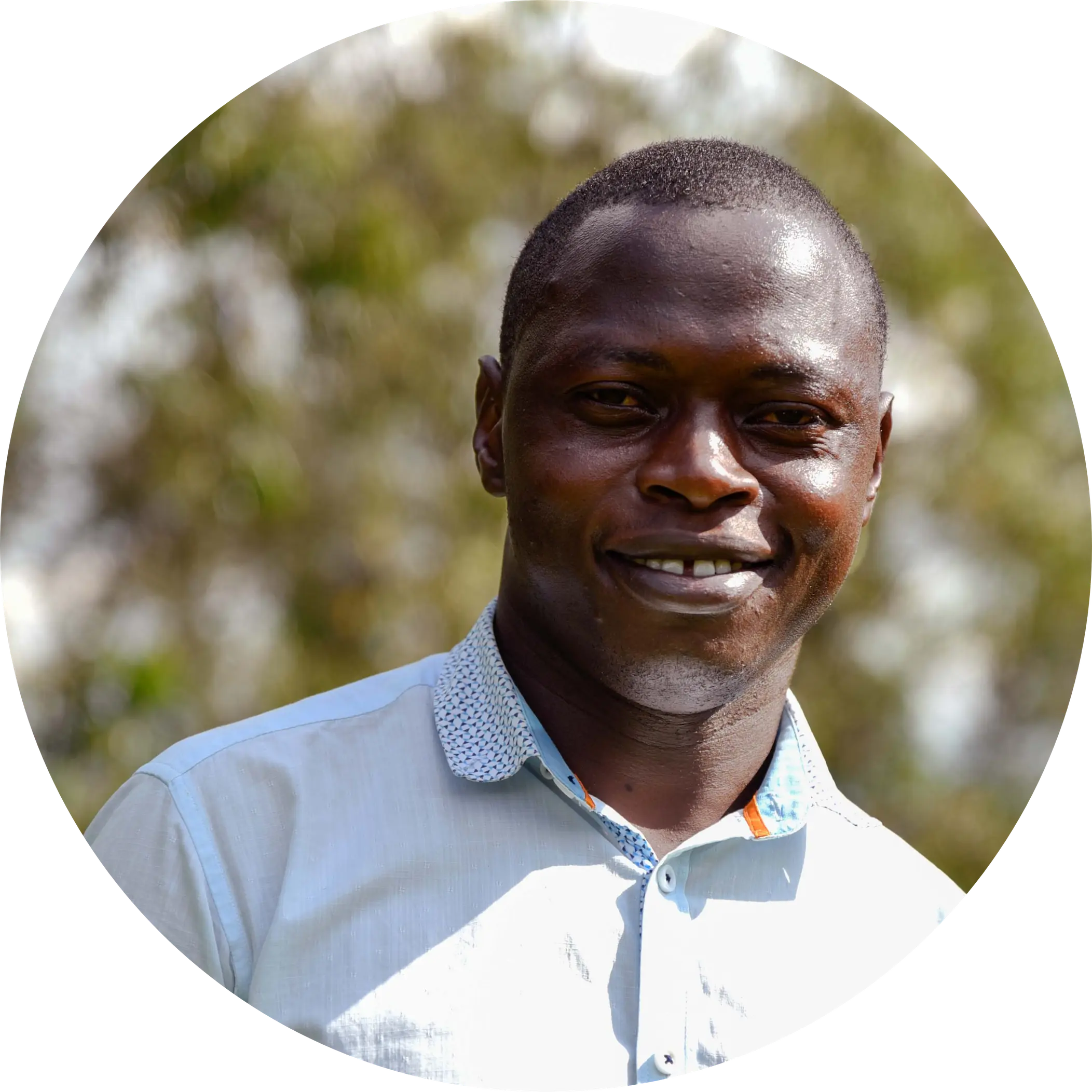
Dr. Julius Tumusiime
Julius Tumusiime was a PhD candidate from 2019 to 2024. His research focused on the dynamics of host snail species and their associated Schistosoma and Fasciola infections, with an emphasis on evaluating the citizen science model in Uganda’s Lake Albert region. He currently serves as an assistant lecturer at Mbarara University of Science and Technology and is also a postdoctoral researcher in the second phase of ATRAP.
Dr. Maxson Kenneth Anyolitho
Maxson Kenneth Anyolitho was a PhD candidate from 2019 to 2024. His work focused on community-led approaches to the prevention and control of schistosomiasis, providing a sociological analysis of the citizen science model in selected communities of western Uganda. He currently serves as the head of the department (community health) and a lecturer at Lira University. He is also a postdoctoral researcher in the second phase of ATRAP.
Dr. Mercy Gloria Ashepet
Mercy Gloria Ashepet was a PhD candidate from 2019 to 2024. Her work focused on the factors shaping the implementation of citizen science in low and middle-income countries. She currently serves as a postdoctoral researcher in the second phase of ATRAP and works with the International Institute of Applied Systems Analysis as a consultant.

Dr. Jean Debéthel Bitumba
Jean Debéthel Bitumba obtained his doctorate in anthropology at the University of Kinshasa, in partnership with KU Leuven and the Royal Museum for Central Africa. His thesis focused on interspecies cohabitation and the fight against schistosomiasis. His focus is on the collaboration between medical knowledge and local (endogenous) knowledge in the fight against epidemics.

Ms. Daisy Namirembe
Daisy Namirembe was an MSc student from 2019 to 2021 in the Biology department of MUST. Her research focused on assessing the risk of cross-infection with liver flukes and schistosomes between livestock and wild mammals in Western Uganda. She served as the administrative assistant for the ATRAP project from 2021 to 2023, supporting project coordination and implementation activities.
Ms. Faith Mugabi
Faith Mugabi was an MSc candidate from 2019 to 2022 in the department of human development at MUST. Her research explored community perceptions of gender roles as a predisposing factor for schistosomiasis infection in Southwestern Uganda.
Ms. Chantal Makoko
Chantal Mokoko was a master's student at the Catholic University of Congo (UCC), between 2021 and 2024. Her thesis focused on exploring participatory communication strategies in the fight against schistosomiasis, with a particular emphasis on the citizen science approach in the Kimpese health zone in the Democratic Republic of Congo. She is currently continuing her studies as a pre-doctoral student in the second phase of the ATRAP project.

Ms. Jay Mulmi
Jay Mulmi Master’s thesis titled "Collecting Snails and Producing Data?" was supported by ATRAP. In 2022, she conducted anthropological research on ATRAP citizen scientists in the Democratic Republic of Congo (DRC), examining the adaptations required to effectively implement citizen science within the specific sociocultural and logistical context of the country. She is currently pursuing a PhD in the Department of Social and Cultural Anthropology at KU Leuven.

Ms. Larissa Bonifacio
Larissa Bonifacio was an MSc candidate from 2022 to 2023, graduating with a Master in Sustainable Development (Ecology) from KU Leuven. Her master's research focused on modelling the spatial distribution of aquatic snail vectors of schistosomiasis and fascioliasis in the DRC. She is currently affiliated with the Flanders Marine Institute (VLIZ), where she applies geospatial techniques to analyze aquatic plastic pollution.

Mr. Chan Kin Ho
Kin Ho Chan’s master’s thesis explored how deep learning object detection can automate the identification and counting of freshwater snails - key intermediate hosts of schistosome parasites. Kin utilized approximately 2,500 field images collected by the ATRAP citizen scientists for his thesis.

Ms. Yara Carolina Fernandez Valdez
Yara Carolina Fernandez Valdez graduated with an MSc in Sustainable Development (Ecology) at KU Leuven in 2025. Her research assessed the community acceptance and stakeholder support for Plant-based snail control along Lake Albert’s Southern Shoreline, Uganda. ATRAP is exploring the development of a plant-based soap to control schsitosomiasis but community and stakeholder pereceptions are important.

Mr. Maxwell Mhlanga
IMaxwell graduated with an MSc in Sustainable Development (Space and Society) at KU Leuven in 2025. His research which focused on evaluating the impact of citizen science initiatives on local health systems in Uganda, was supported by ATRAP.