Stakeholder engagement
.jpg)
The first activity of the project is community entry. During this phase, ATRAP holds meetings with local leaders, institutions, and community members to introduce the project. These meetings provide an opportunity to gain a baseline understanding of the local context and to map stakeholders and their needs. As such, a foundation for collaboration and adaptation is built, ensuring that the project is aligned with local priorities and supported by the communities it aims to serve.
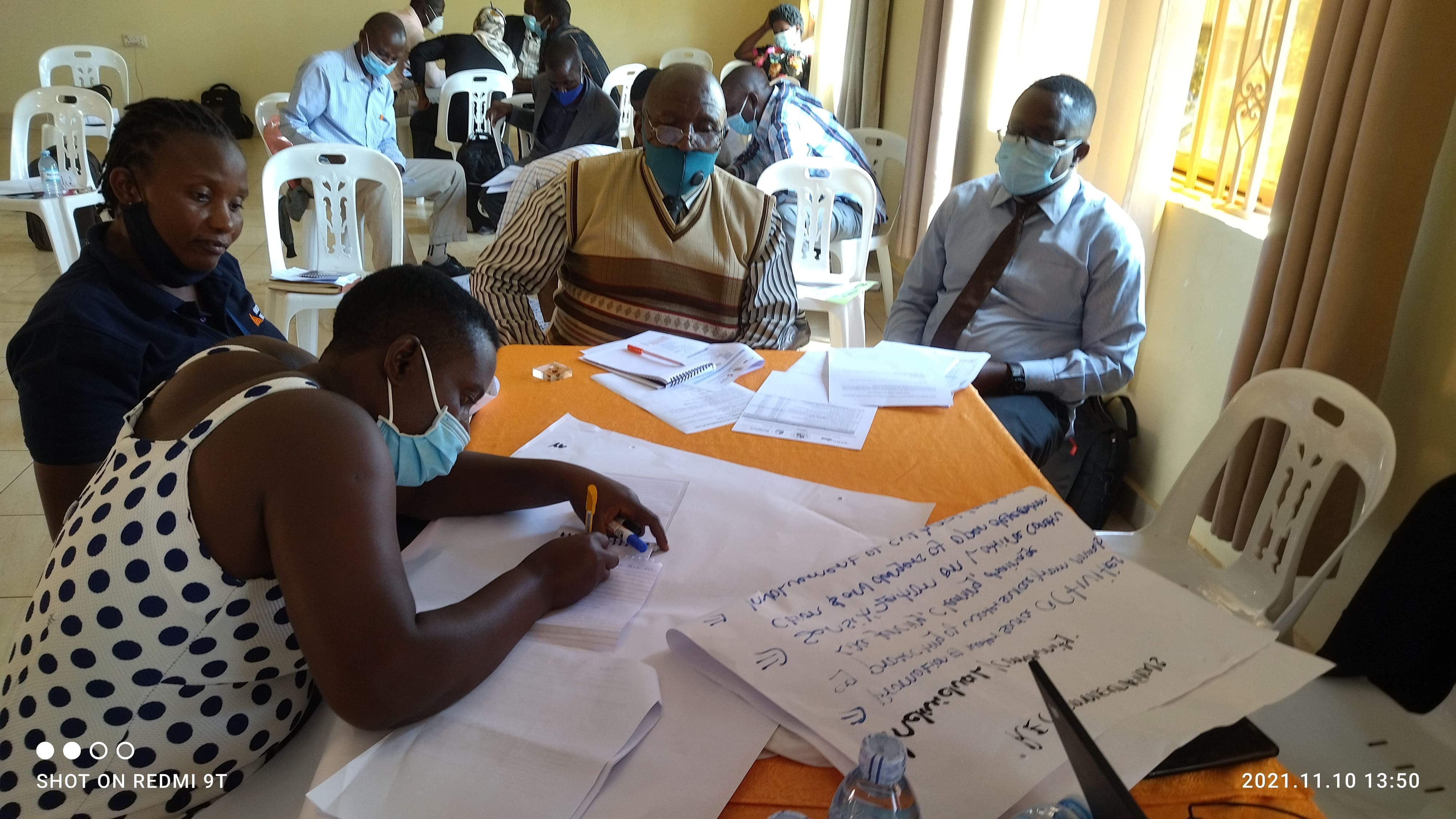
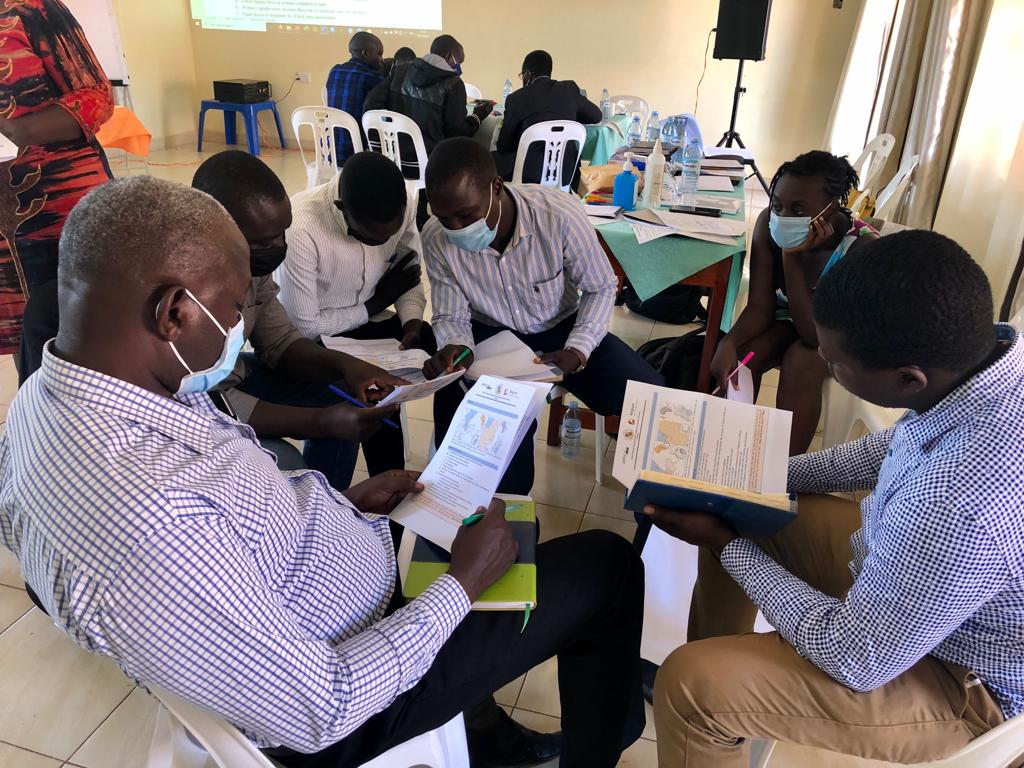
The project organises annual participatory workshops where project results are shared and reviewed. At the same time, these interactions bring together actors from the community (citizen scientists), NGOs, and policy stakeholders to collaboratively identify priorities and solutions for disease control. These workshops also serve as validation sessions to confirm findings and propose actions for challenges, ensuring that project decisions are guided by and aligned with the perspectives of the community and leaders alike.
The project shares information with stakeholders primarily through social media, annual newsletters, and policy briefs, ensuring timely updates on progress, findings, and key decisions. Community notice boards are also used to communicate locally, making project information accessible to stakeholders who may not have digital access. This multi-channel approach keeps stakeholders informed, engaged, and able to provide input throughout the project lifecycle.